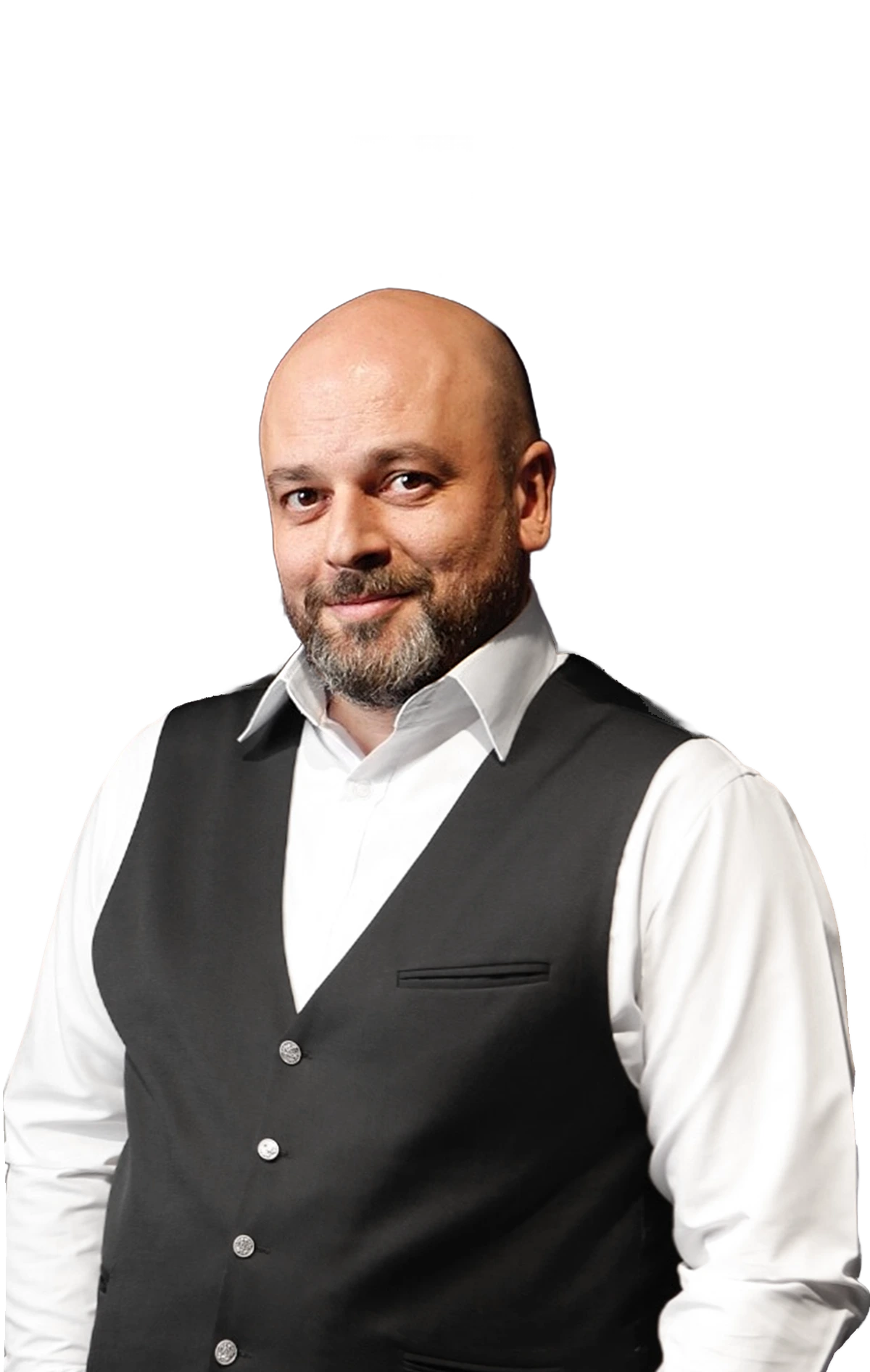
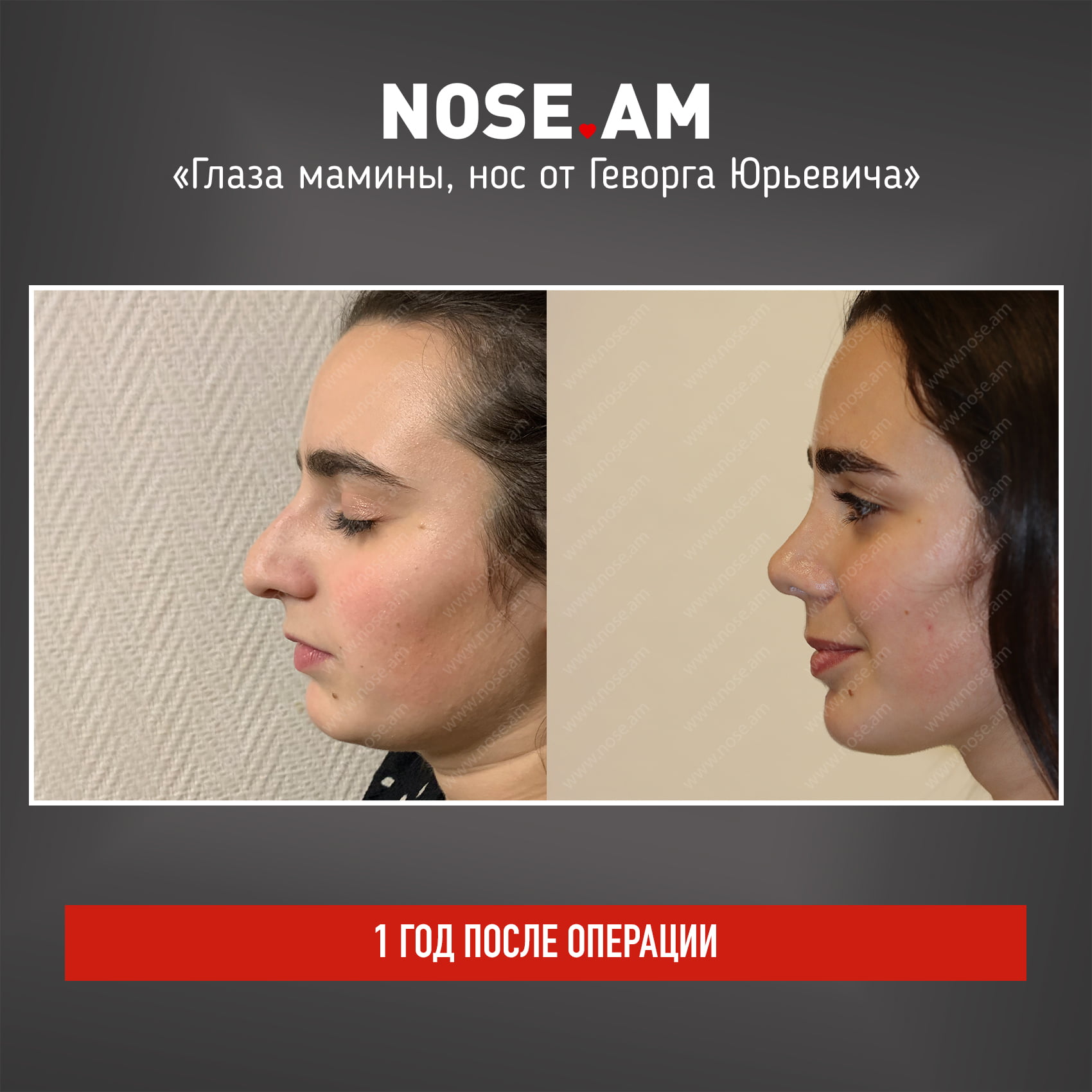
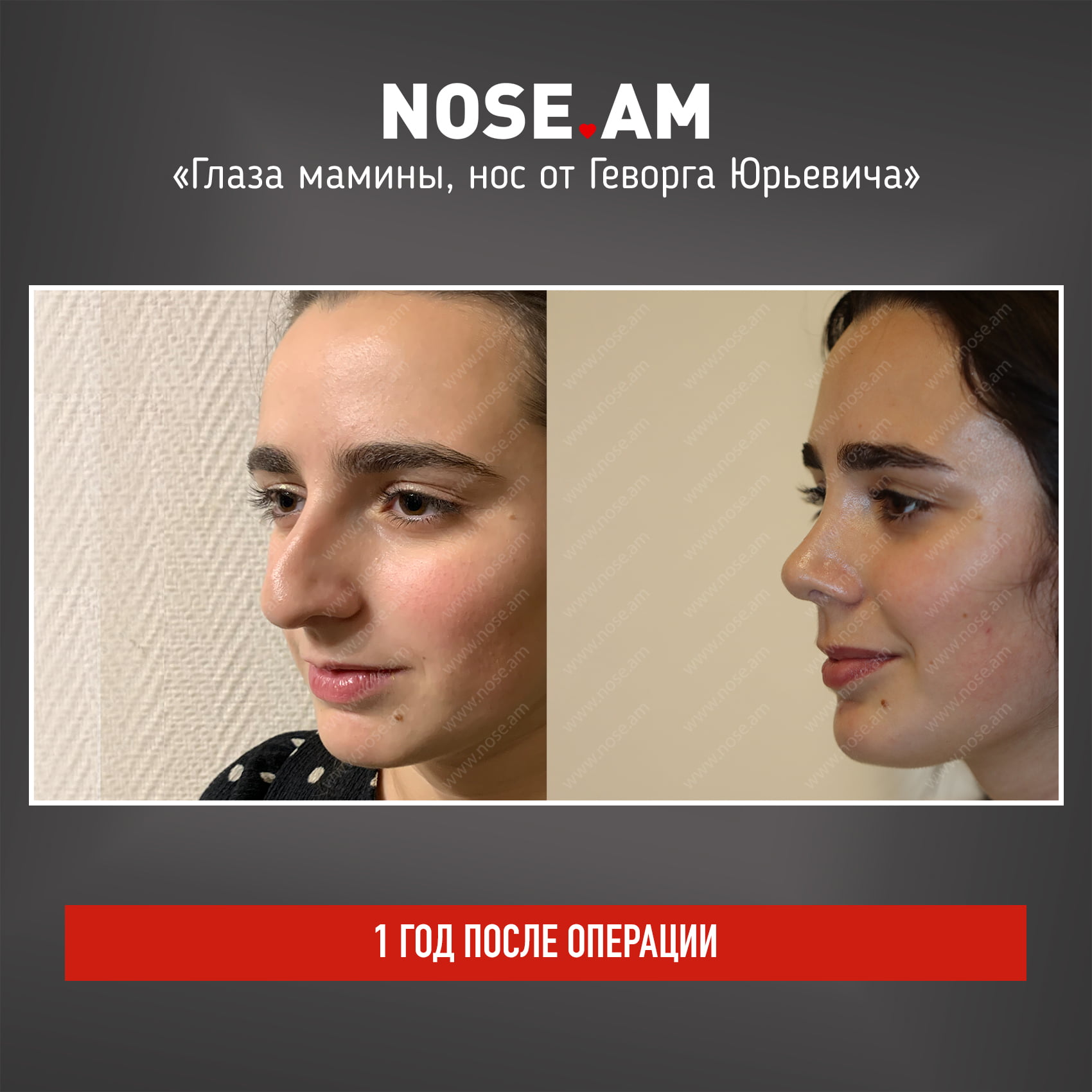
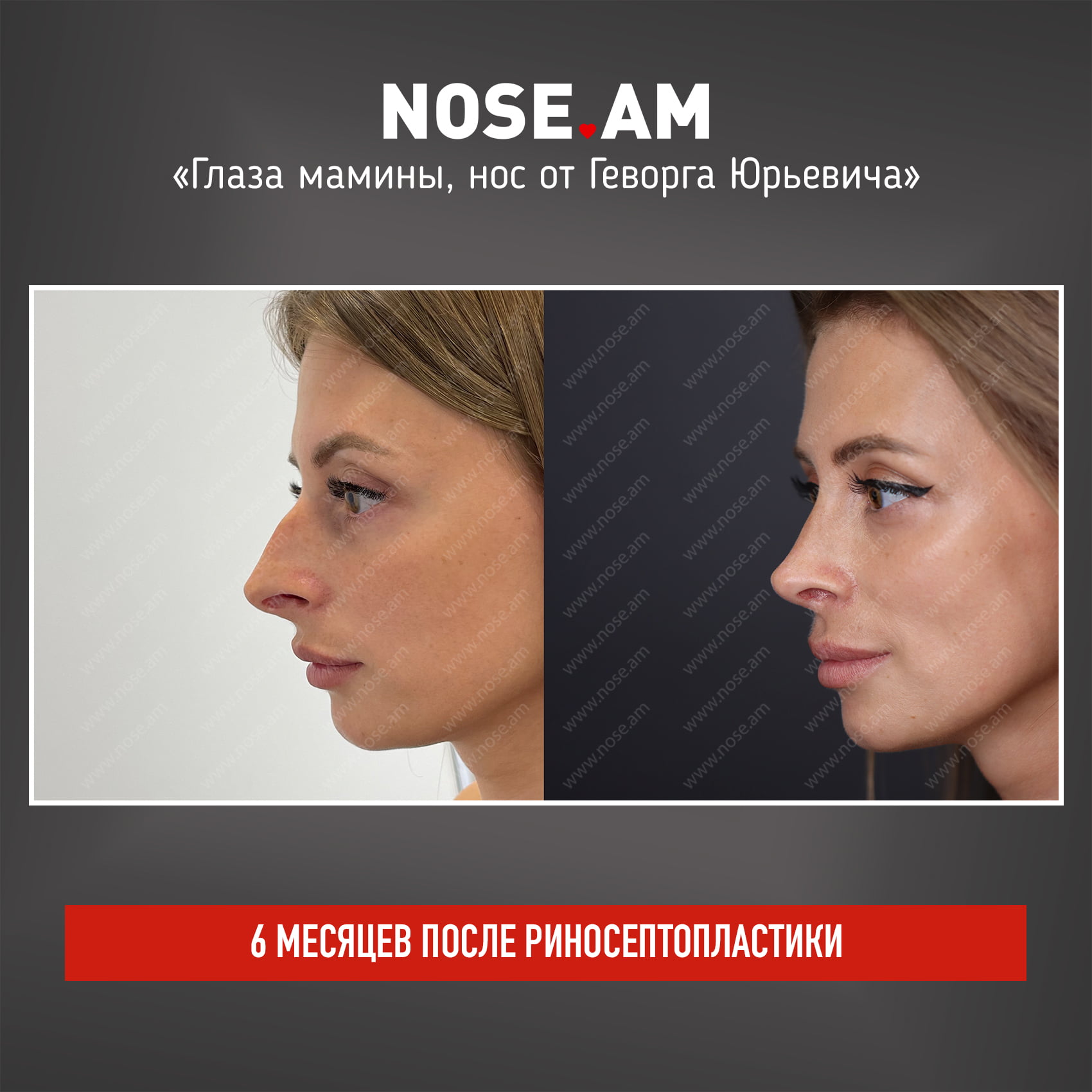
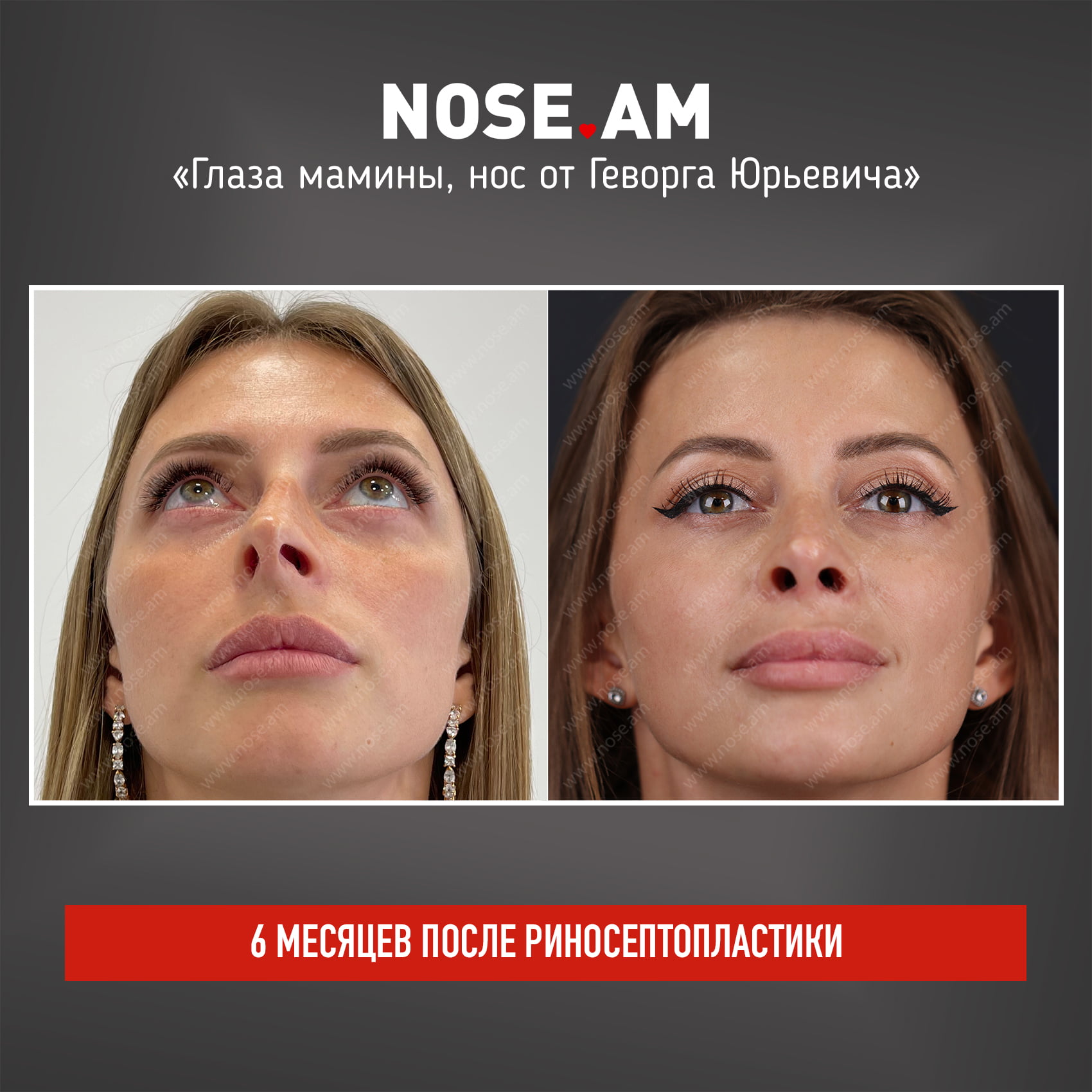
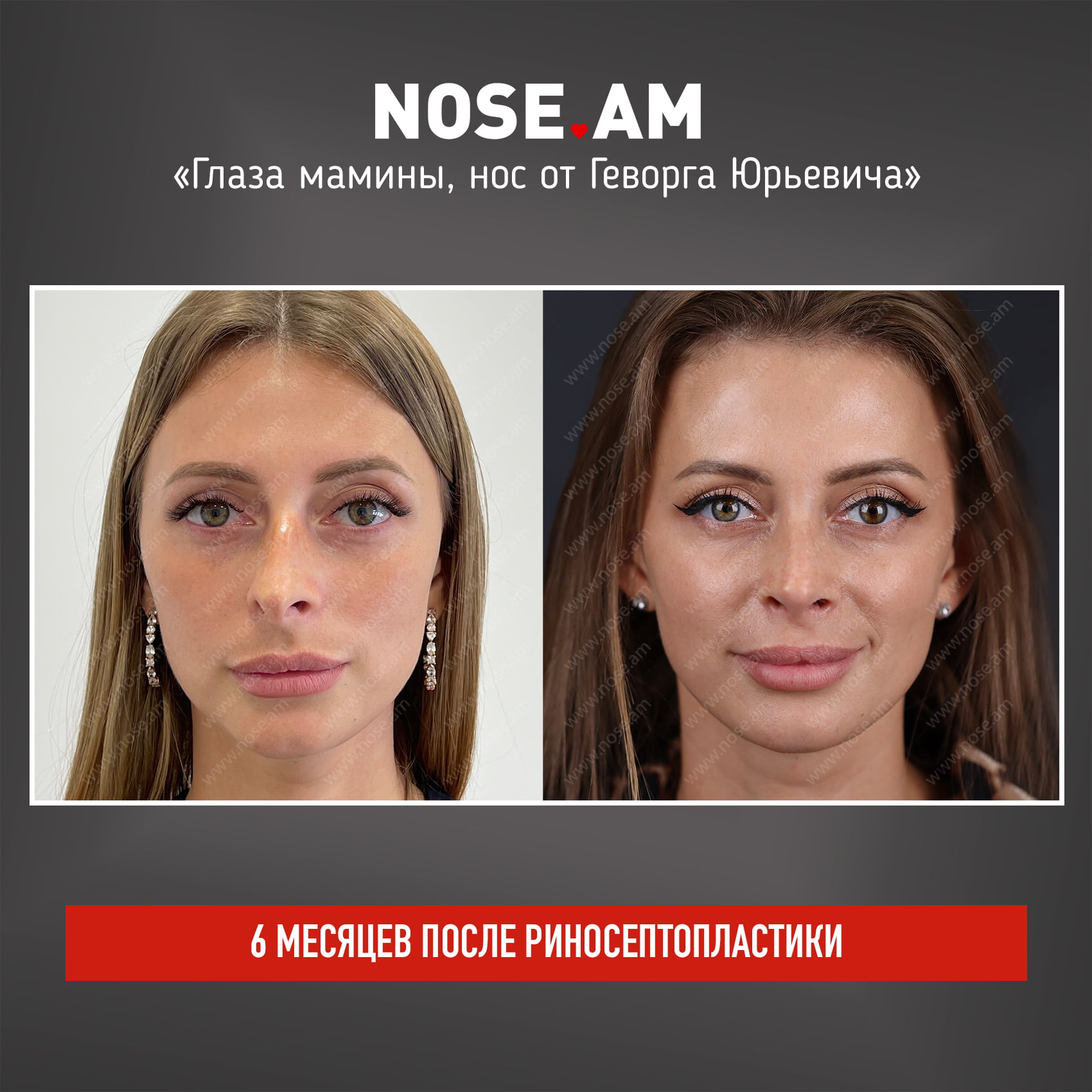
I am Gevorg Yeghiazaryan, a plastic surgeon with 20 years of experience. I specialize in nose surgery and over the years I have performed thousands of successful surgeries, achieving natural and harmonious results. Each operation is an individual approach, taking into account the peculiarities of your face and wishes.

My technique is piezo technology. It is an innovative technique that makes surgery minimally invasive. Thanks to it, there is almost no bruising and swelling, and the is as fast as possible. Comfort and safety. During the rehabilitation process, I exclude the use of tampons which facilitates breathing and makes the first days of, recovery as comfortable as possible. Natural Aesthetics. Each surgery is carefully planned so that the result is natural and organic. I do not strive for standards – I create something that suits you.

I work in leading clinics in Yerevan, Sochi and Moscow, where I use the most modern equipment and quality medical care.

Read the checklist “5 Steps to Dream Nose” right now to book a convenient time and make the first step to a new confident version of yourself!

Consultations

Attention,the consultation is conducted in Russian or Armenian languages only.

Before making an appointment, please read this list to make sure you have no absolute contraindications to rhinoplasty.

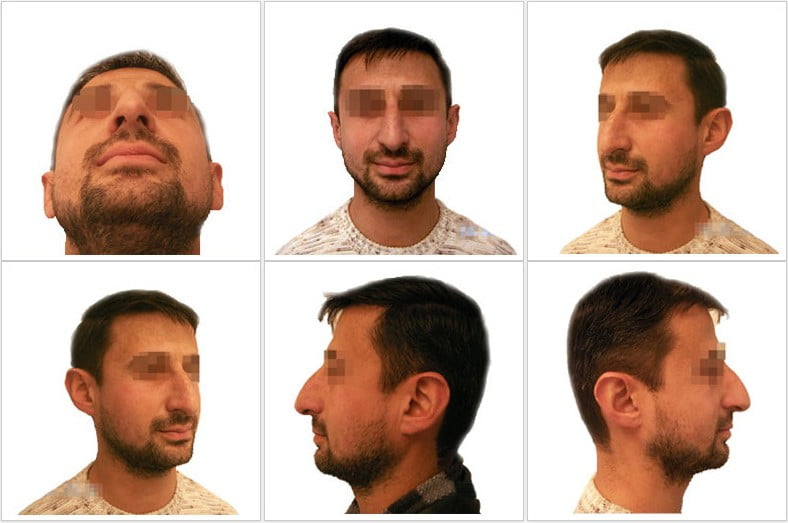
To make an appointment for surgery, you need to send your CT scan results and photos for modeling.

About me

I was born in 1977. In 2001 I got my medical degree after graduating from Yerevan State Medical University. Since 2004 I have been in private practice as a plastic surgeon.

The principles of my work are the use of the most reliable and advanced technologies and methods of plastic surgery, the maximum participation and attention to each patient.

Some of my awards:

  • Armenia’s Best Rhinoplasty Surgeon — «Grazia», 2017
  • Best plastic surgeon in Armenia — «Diamond Beauty», 2014

You can study my biography and certificates, read what the media write and say about me on a separate page.

Modeling

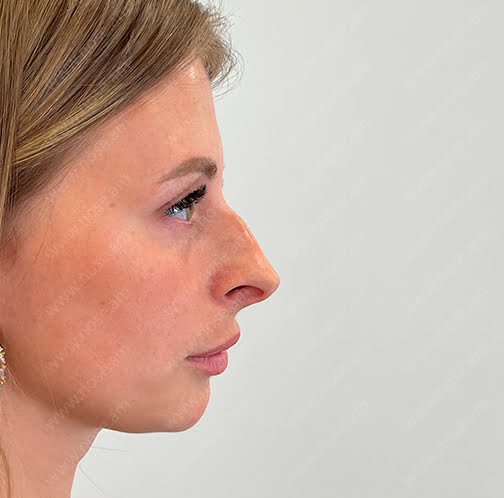
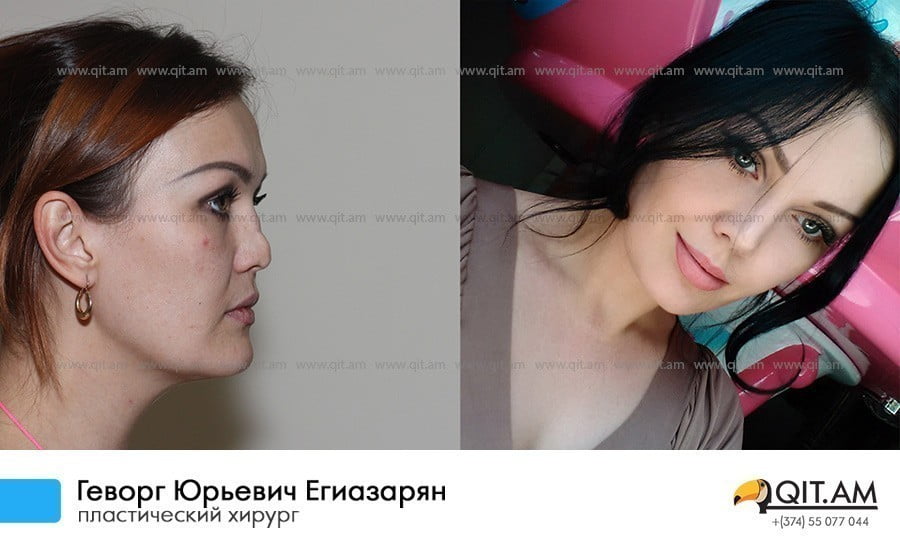
Before surgery photo

and the result of modeling

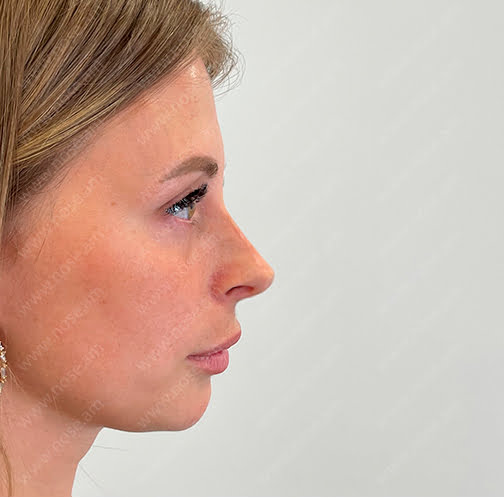
Result of modeling

and the after surgery photo

A proficient surgeon can predict the result of surgery with an accuracy of 90-95%. Send me your photos and I will make a simulation of your future nose. Looking at a picture of “yourself in the future” will make your decision easier.

Hover your mouse cursor (or tap your finger on your smartphone screen) to see that there is no difference between the prediction and the result.

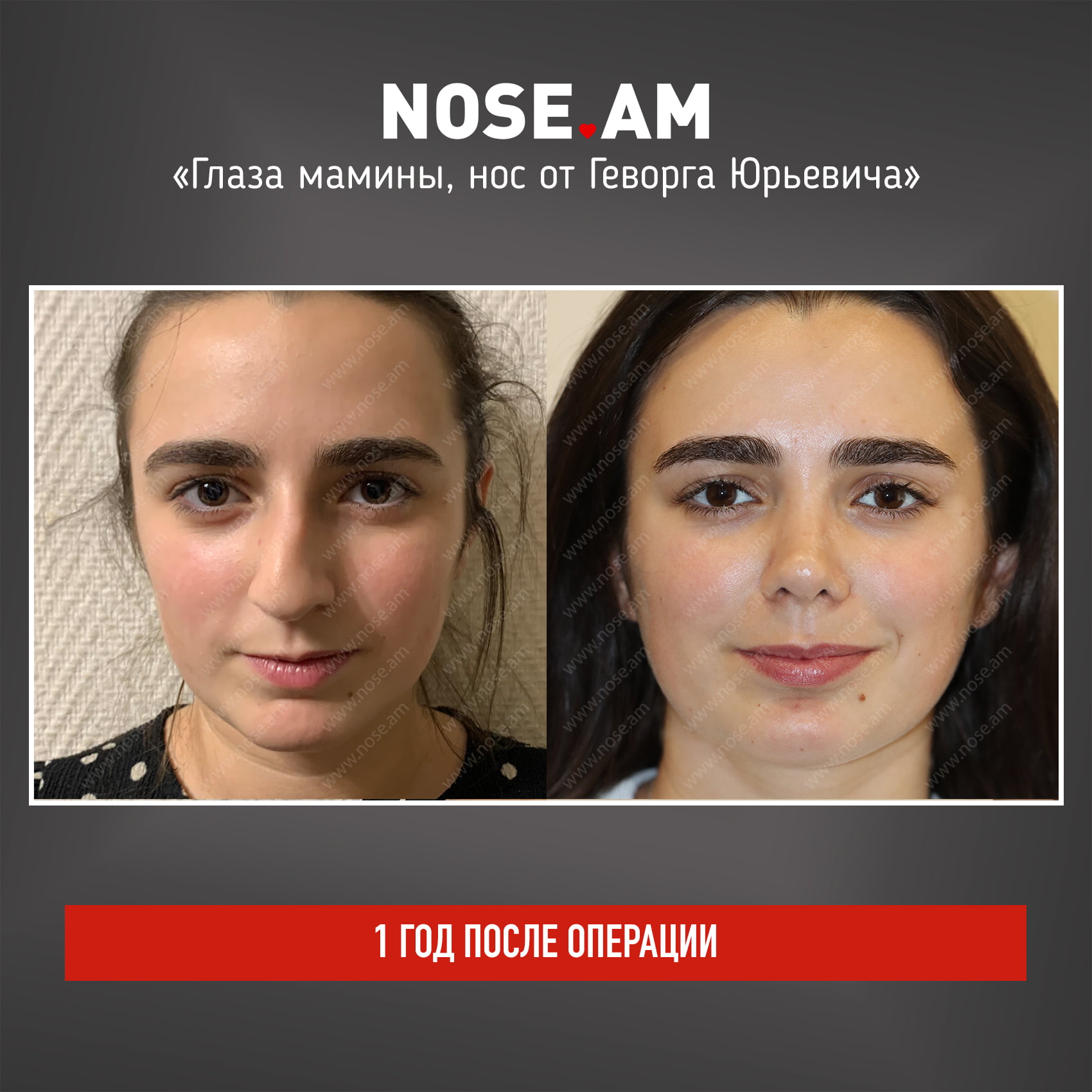
More «before-after»!

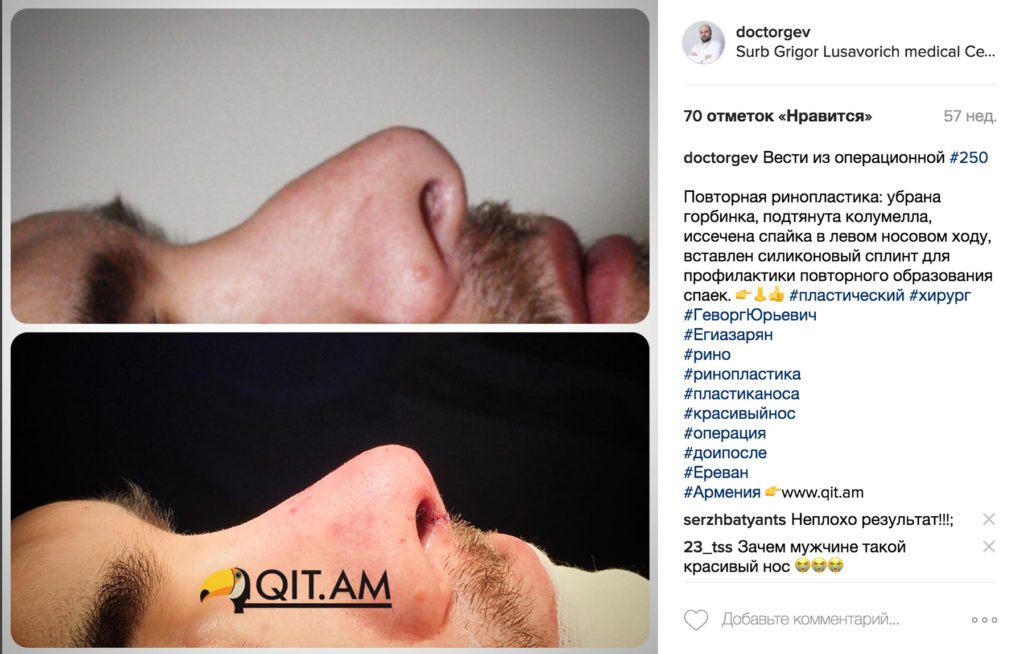
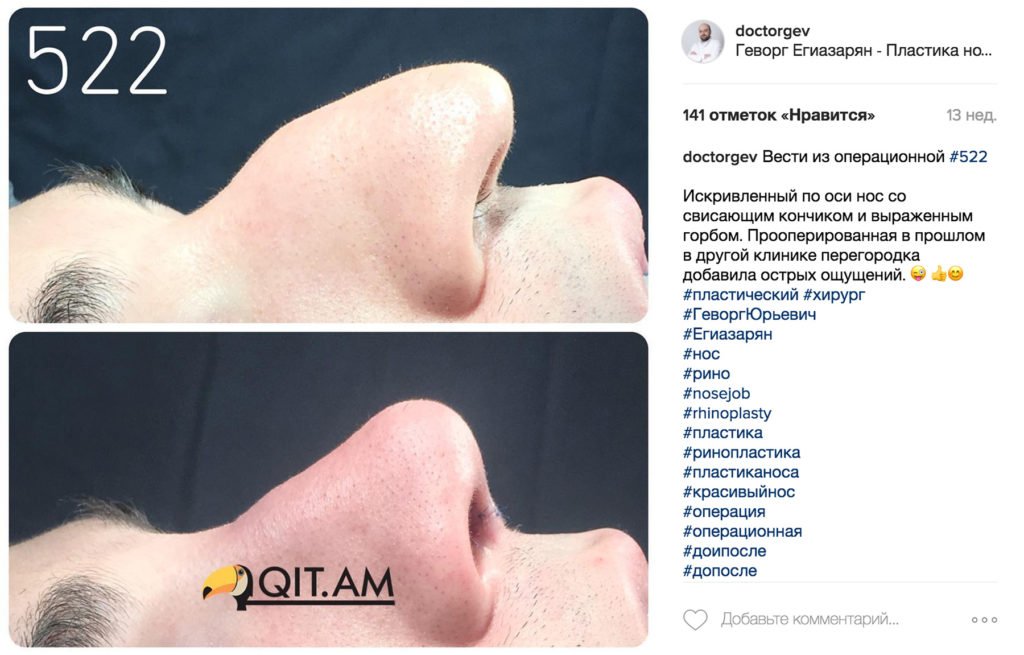
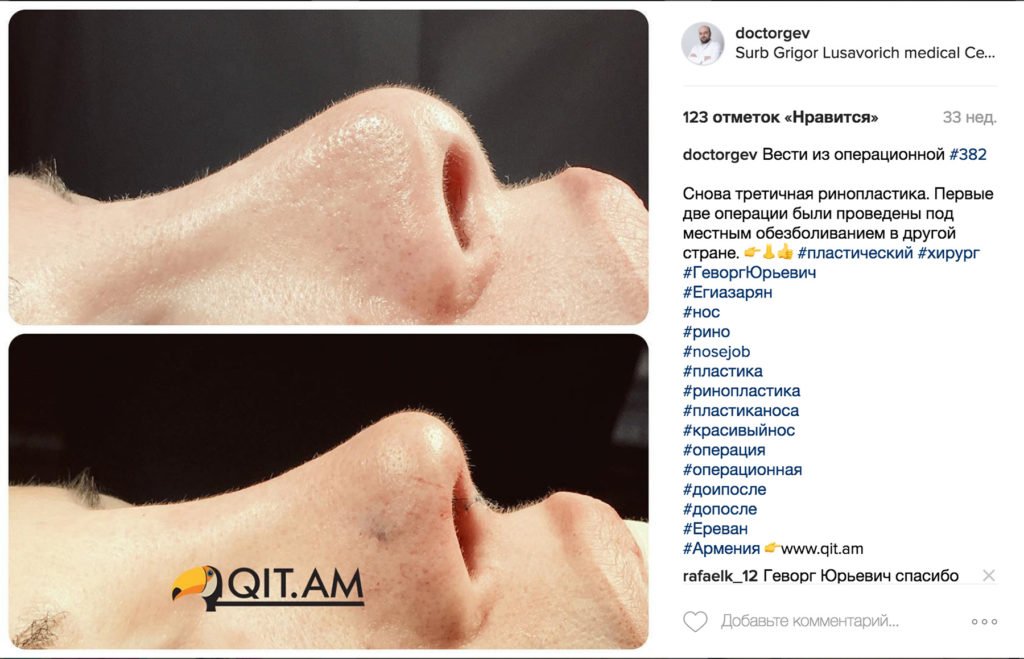
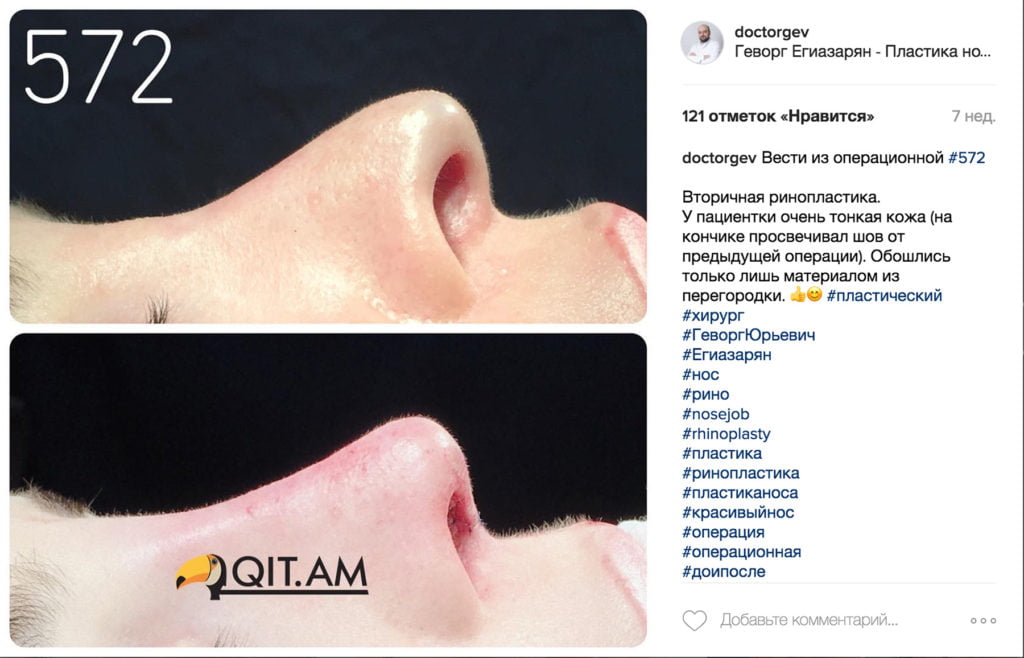
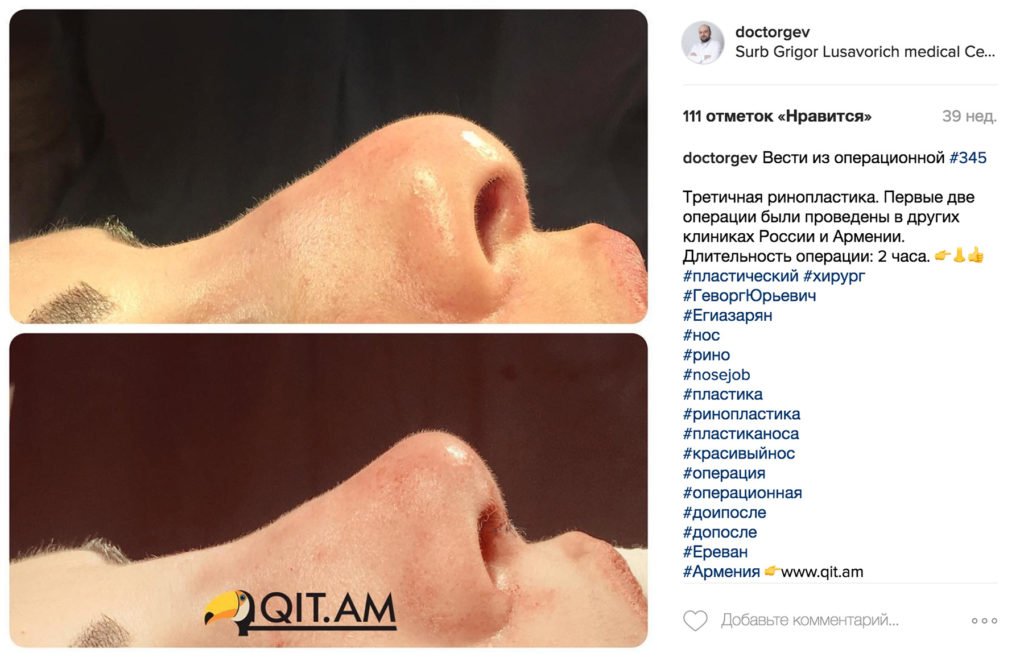
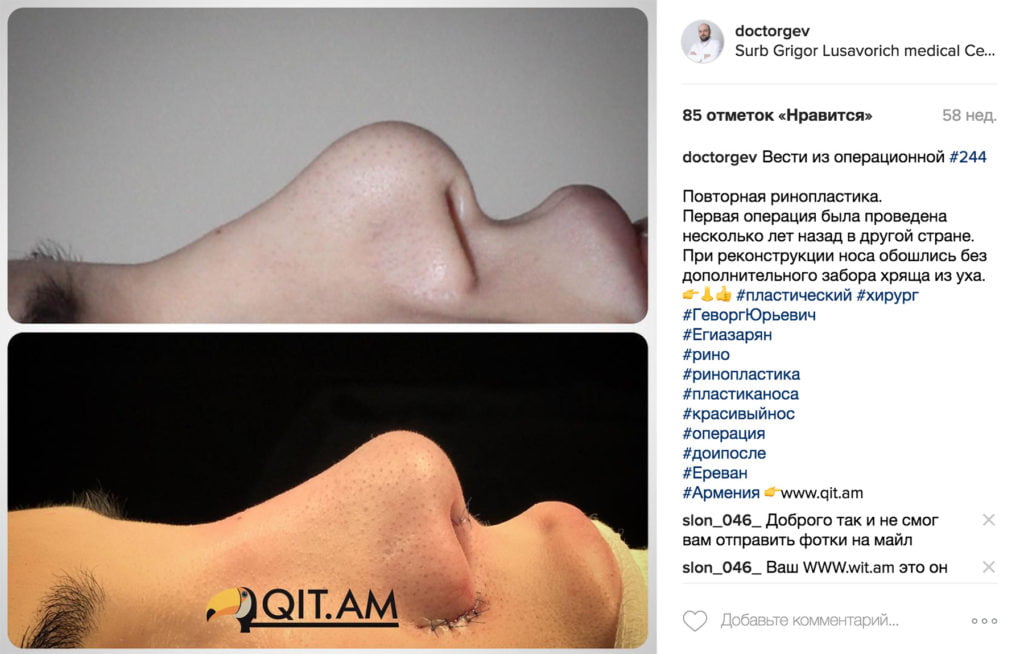
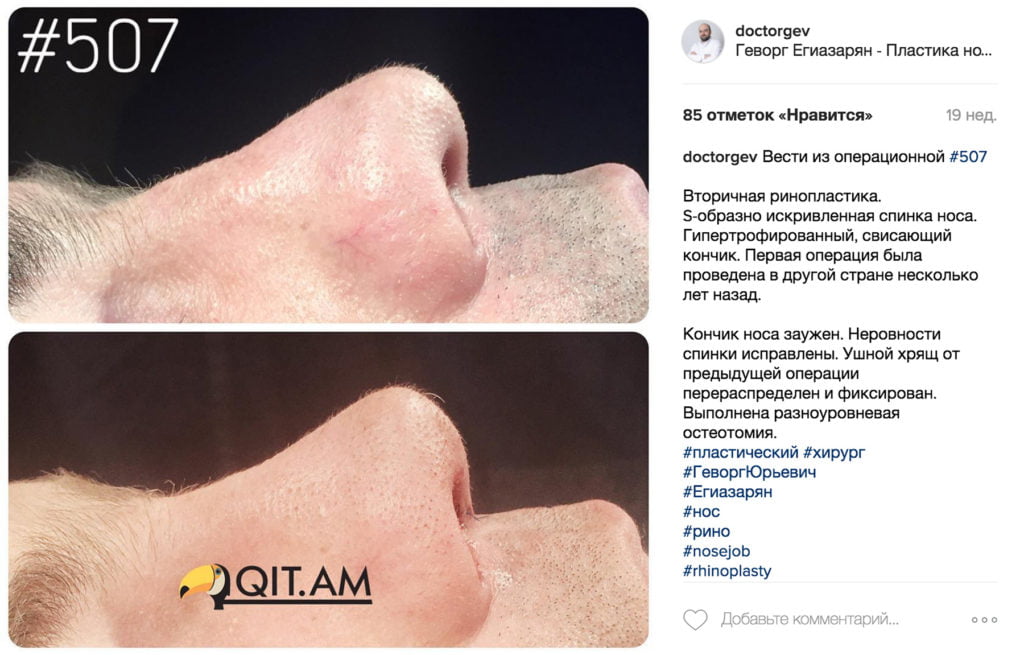
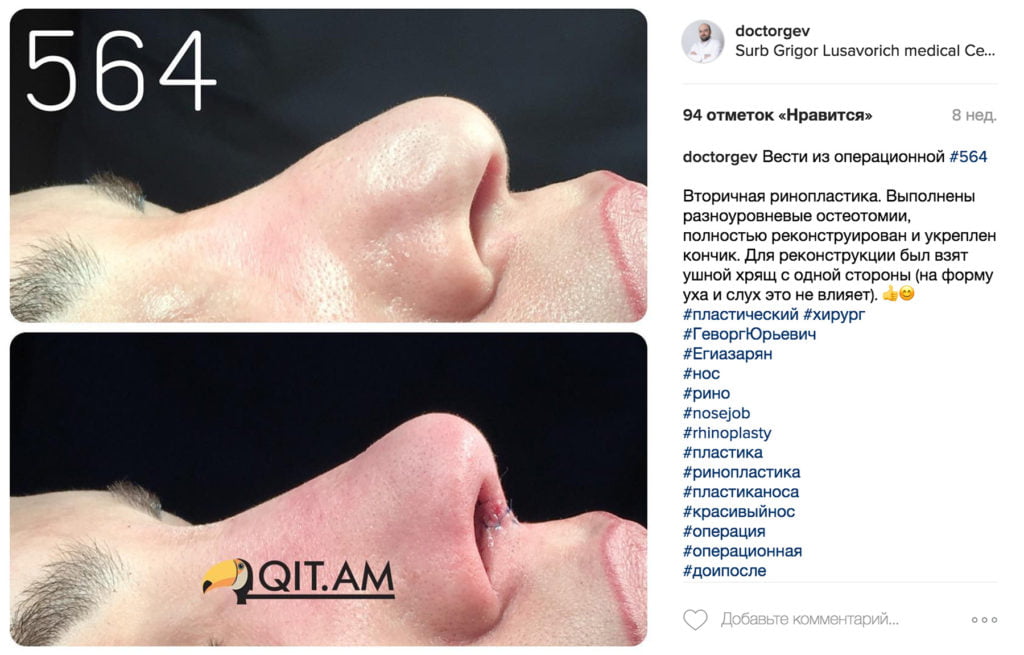
On social networks I constantly publish absolutely true videos directly from the operating room, which perfectly show the differences between the nose «from nature» and the result of rhinoplasty.

The uniqueness of my methods

Let’s start with the history. It is not at all a novelty being used for the first time in surgery and has not yet received sufficient clinical material for safe use. The first mention of piezoelectric instrumentation was made more than 40 years ago by the maxillofacial surgeon Horton. The earliest mention in the literature devoted to piezo in rhinoplasty was made in 2007 by Italian surgeon Robioni, who published a work entitled: Piezo surgery, a new method of osteotomy in rhinoplasty. On October 31, 2017, the U.S. Food and Drug Administration (FDA) officially approved the use of ultrasound instrumentation in rhinoplasty.

The first person in Armenia to use piezo in maxillofacial surgery was my friend and colleague Vartan Hovakimyan. Since November 2017, the latest generation of the piezo apparatus has also been used in my practice.
I myself have been used and continue using traditional instruments for many years, but since I started using piezo, I realized what a great breakthrough it was.

Conventional osteotomies and bone processing with rasp file cause significant trauma to the soft tissue. In my practice, I initially rejected osteotomes with a stopper (spike). For them, a tunnel must be made and then fixed firmly with a finger for the correct direction of the bone fracture line. So right at the end of the surgery the patient already has significant ecchymosis and the nose begins to swell rapidly.

Since the apparatus has no moving parts, no physical effort is required while working with the piezo. I particularly appreciated this when I remember how many times my fingers cramped from tension at an osteotomy or my hand began to fall off while grinding a large hump with dense bone with an ordinary rasp.

Ultrasound selectively affects only dense bone tissue. The soft tissue, vessels and cartilage are not damaged. The result is minimal swelling and ecchymosis. After one week, the vast majority of patients come back with virtually no bruising.

The external 2-mm osteotome has also stopped being used because of the damage to the skin, albeit minimal. Many patients are nervous about the delicate scar on the columella, and there are additional 2-4 mini scars already in the visible area. So I have been using a 3 mm straight osteotome for a long time, without a stopper and making a tunnel.

A very unpleasant complication is uncontrolled bone fractures caused by using the osteotome and hammerhead. Especially while passing an old traumatized section of bone. Using piezo, you can literally carve patterns on a bone without fear of uncontrolled cuts and fractures.

More precise work on bone structures. Using piezo you not just feel tactilely, but also can see how the desired section of bone is perfectly milled. Ultrasonic cavitation during the apparatus using gives another nice bonus like additional hemostasis and asepsis.

To summarize, the advantages of ultrasound rhinoplasty:

  • Scientifically proven effectiveness of the technique
  • Minimal trauma to soft tissue
  • Very precise and predictable work on the bone
  • Optional asepsis and hemostasis during surgery
  • Rapid patient rehabilitation with minimal bruising and swelling

Many patients are intimidated by the external incision since in closed rhinoplasty, all incisions are made inside the nose and not visible from the outside. In open rhinoplasty an incision is made in the form of a step on the skin bridge between the nostrils (columella).

With careful and accurate alignment of the wound edges, this scar becomes barely noticeable in a few months and disappears from 6 months to a year. You can look through the examples in a gallery of my works and make sure by yourself. Take a close look at the columella at different times after surgery.

I can always show the original photos to those who are especially suspicious, to make sure there is no “photoshop”. All of these results were obtained by open technique only.

Here are a few more logical arguments for an open technique:

  • Open access allows full visual control of all nasal structures, whereas closed rhinoplasty has limited visual control.
  • With open access on the nasal septum, the surgeon has more visibility and maneuverability.
  • There is less postoperative bleeding after open rhinoplasty because the mucosa is not damaged.
  • In open rhinoplasty, cartilage autografts and their stable fixation can be widely used. This greatly expands the surgeon’s capabilities in complex and non-standard cases.
  • Closed rhinoplasty limits the use of cartilage autografts due to their unstable fixation.
  • Postoperative edema after open rhinoplasty is less pronounced compared to closed rhinoplasty, since tissue detachment is performed under direct visual control, which allows for a very accurate and deep procedure.
  • In patients with thick skin, open surgery can thin the skin in the tip area under direct visual control without compromising skin nutrition.

Many proponents of closed rhinoplasty cite the shorter duration of surgery as an important advantage of the closed method. Yes, this is true. Closed rhinoplasty can be done in 30-40 minutes. The duration of open rhinoplasty is 1.5-2 hours.

In such cases, I always ask patients what is more important to them: a shorter surgery or a better result?

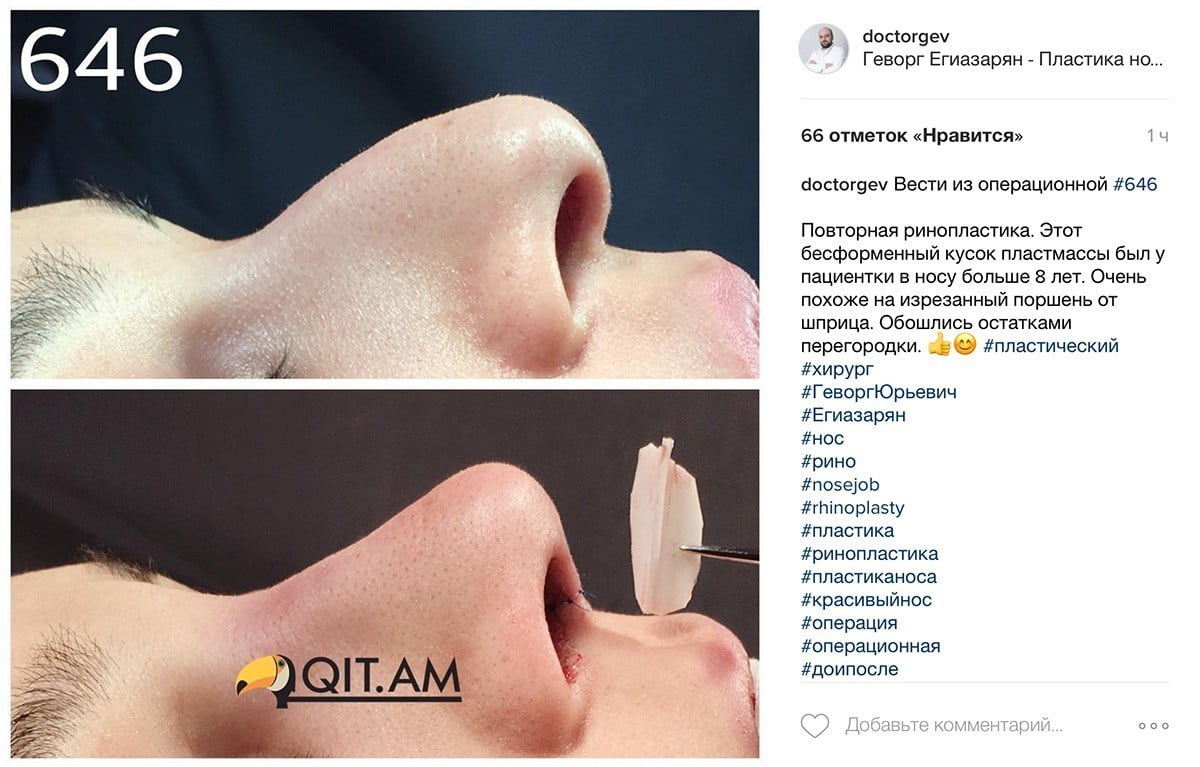
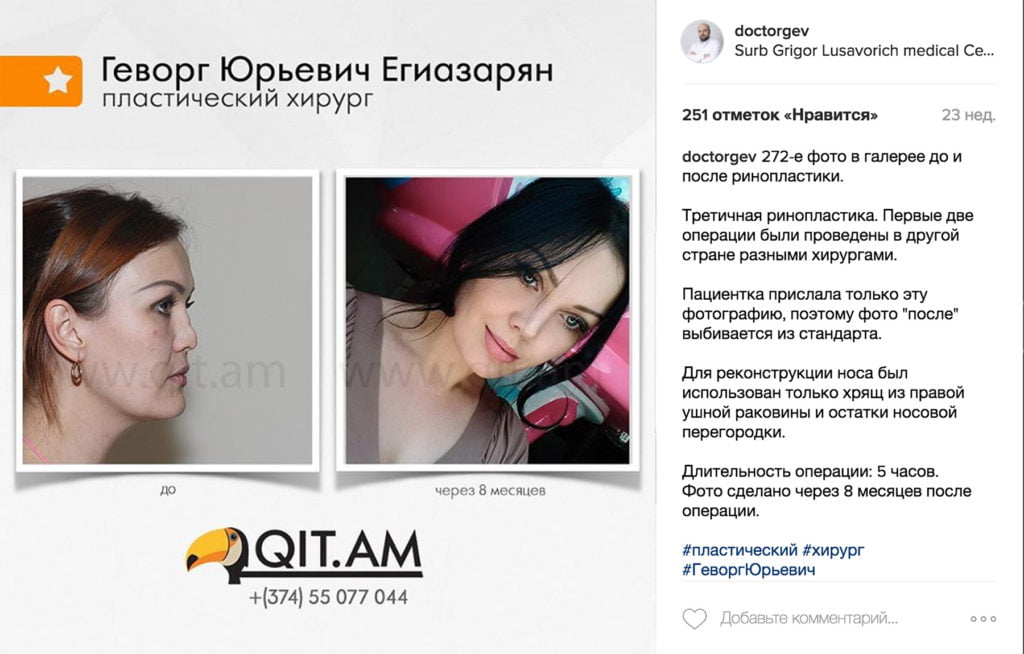
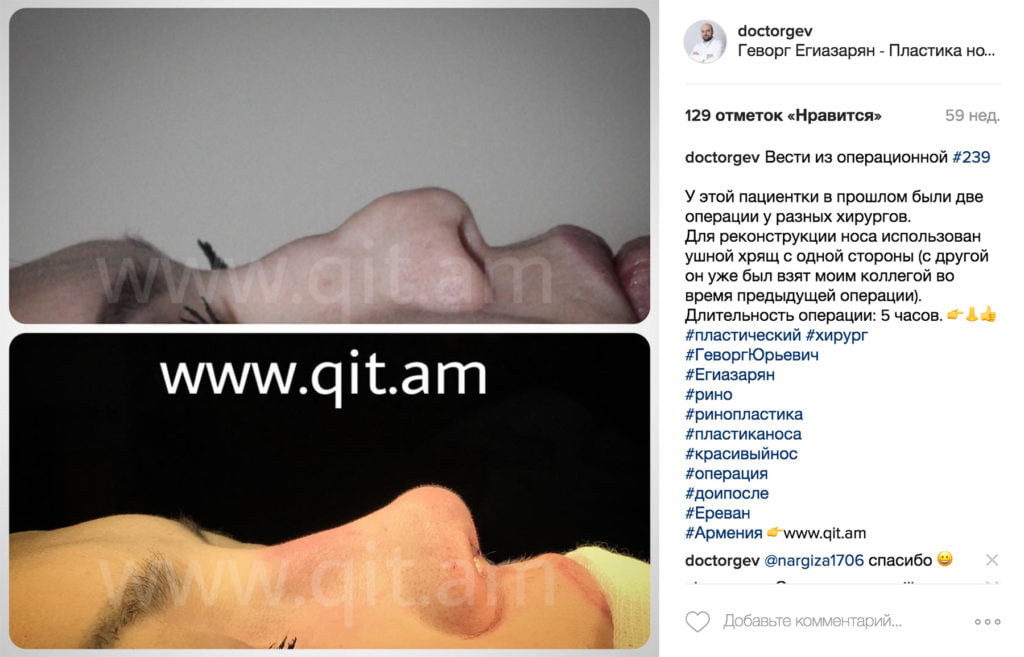
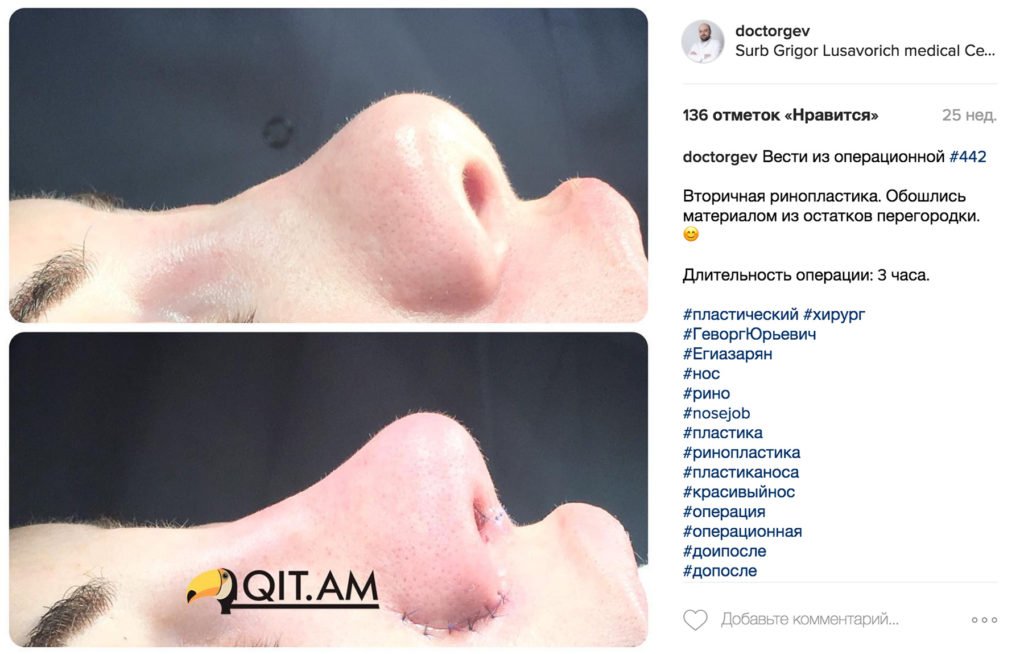
Secondary rhinoplasty is an operation designed to correct errors, defects and unsatisfactory results after the first surgery. It is worth noting right away that secondary rhinoplasty is not a cure-all and may not always correct all mistakes made during the first procedure.

The main principles of repeat rhinoplasty are:

  • Do no harm (that is, don’t make it worse than it is);
  • Create realistic expectations of the patient (do not promise exorbitant results, because it is impossible);
  • Not to take on something that cannot be corrected;

Sometimes the consequences of an unsuccessful primary rhinoplasty are, alas, irreparable. In this case, the surgeon may refuse to perform a second surgery. If you refuse to perform a secondary plastic surgery on the nose several plastic surgeons, explaining the reason for their refusal, then you should not look for someone who will agree. This is fraught with serious consequences for yourself. In such a situation, it is best to try to partially correct the changes with the help of cosmetic procedures (injections of fillers, hormones or botulinum toxin).

After how long can I have another rhinoplasty?

After rhinoplasty, at least one year must pass before a second surgery can be performed. This is due to the scar tissue, which must fully heal to be able to withstand additional intervention without even more deplorable results.

Is surgery possible after the introduction of hyaluronic acid gel?

It is necessary to wait until the gel has completely dissolved (it takes about 8-12 months). Only then the initial nasal parameters can be evaluated and the expected results projected.

Guarantees?

Typically, patients seeking a secondary rhinoplasty are disappointed, cautious people who have little faith in the successful outcome of the second operation and want guarantees for a good result. But in surgery, only charlatans offer a guarantee. Secondary rhinoplasty is often unpredictable, so any predictions given before surgery are not a 100% guarantee. Secondary rhinoplasty is considered to be technically the most difficult in aesthetic surgery.

Therefore, instead of looking for guarantees, it is better to study the surgeon’s gallery of work first, to ask if this surgery is the main one for him, if he has experience in performing secondary operations, etc.

How does the surgery go? What is the complexity?

Secondary rhinoplasty is done only under general anesthesia. It is almost always done in the open and very rarely in the closed way. The duration and course of the surgery depends on individual factors and ranges from 1 to 5 hours.

After rhinoplasty, as after any surgical procedure, an uneven layer of scar tissue is formed. Fighting it can be extremely challenging even for an experienced and professional surgeon.

During a repeat rhinoplasty, the surgeon does not have information about what the cartilage looks like at the moment. Therefore, the surgery is done slowly, not deeply and very carefully. It is unknown what cartilage was removed during the previous surgery, what cartilage is left, and what shape it has now.

The surgeon has to perform the intervention almost “by feel”. The main task of the specialist in this case is not to harm the patient more. Whether it will be possible to correct all or at least some functional and aesthetic deficiencies – is decided in each case individually.

A tissue transplant is often necessary for the reconstruction of the nose. The tissue for nasal reconstruction is usually taken from the inside of the nasal septum. If this tissue was already taken during a previous surgery, cartilage can be taken from the ear or from a rib.

Ear cartilage is the most commonly used. The incision is made along the posterior surface of the auricle and is not visible afterwards. The shape of the ear and hearing is not affected by cartilage extraction.

It is very important to give the doctor as much information as possible about previous surgeries: what were the indications for surgery, what technique was used, photographs before and after rhinoplasty, how was the recovery period, were there any complications.

How is rehabilitation going?

Rehabilitation after surgery proceeds in the same way as after the first operation, with the only difference being that the healing process may be many times slower.

Initial swelling and bruising can take anywhere from two weeks to a month, and residual swelling often does not completely go down even after a year. Patients with thick skin and a fleshy tip often do not fully recover until two years after a repeat rhinoplasty.

  • The patient spends the first day after surgery in the hospital.
  • The morning after the operation hemostatic sponges are removed from the nose (not meter tampons!).
  • The fixing thermoplastic bandage is removed 7 or 14 days after the operation.

How much does the surgery cost?

Secondary rhinoplasty is much more expensive than the primary rhinoplasty because it is a more complex surgical procedure. Additional information is needed to determine the exact cost of the surgery:

  • Epicrisis (medical history extract) of the previous surgery;
  • Photos for modeling in 6 projections, as well as a photo before surgery (to understand what was done);
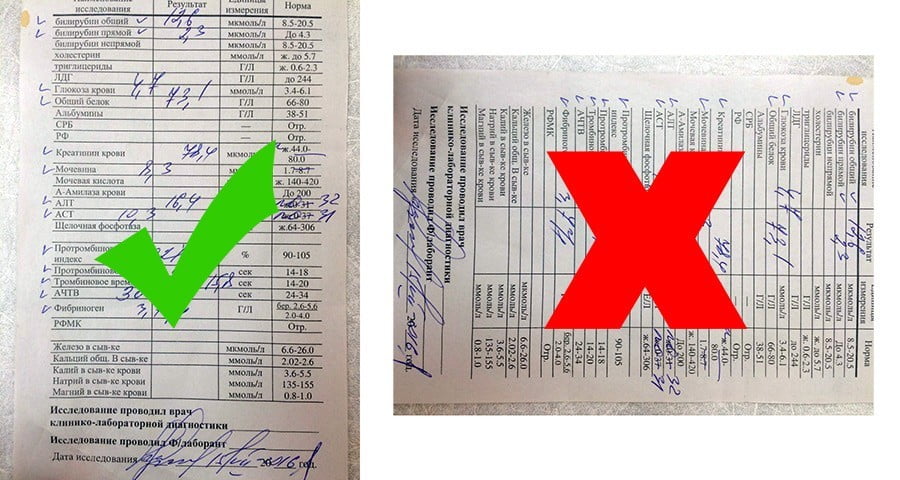
  • CT results of the nose and sinuses, and lab test results.

All of this can be sent through a “virtual consultant” and you can get out the approximate cost of your secondary rhinoplasty.

Are there any other options for fixing the errors?

If we are talking about non-surgical rhinoplasty, it has very limited options. With fillers, you can get rid of a small hump or fill in the irregularities, but it can’t correct a curvature or difficulty in breathing.

Important!

Surgeons who have long been engaged in rhinoplasty, never tired to remind that the ideal form of the nose for each individual is limited by anatomical features. Therefore, the form will not always correspond to your dream for 100%.

However, doctor will do everything he can to make the shape of your nose as aesthetically and functionally pleasing as possible.

In the gallery you can see photos with the results of my secondary rhinoplasty.

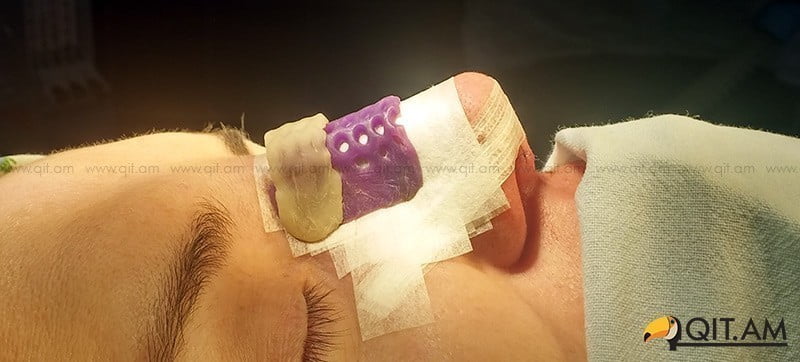
Instead of usual plaster – special perforated thermoplastic

Plaster casts for fractures are mentioned in the works of Arabic scientists of the IX-XI centuries. However, progress is not standing still. The final stage of rhinoplasty is the application of a fixation bandage.

Instead of the old plaster bandage now bandage of self-hardening perforated thermoplastic in different colors is used. Girls get pink or purple bandages, while men get blue ones 🙂

The standard plaster bandage has a number of disadvantages that the thermoplastic bandage lacks:

  • For patients with sensitive and/or oily skin, installing a conventional plaster, which does not breathe unlike perforated thermoplastic, results in acne on the nose.
  • In the case of abrupt swelling, the conventional plaster, lacking flexibility, often falls off the nose and fails to perform its function of fixing the bones and soft tissues of the nose. In this case it is necessary to reinstall a new plaster. This is an unpleasant procedure for the patient, which can be easily avoided.

With a thermoplastic fixation bandage, you can forget about the unpleasant extra plaster changes!

Thermoplastic comes in two varieties: cheap (thin) and more expensive (it’s twice as thick). I use expensive thermoplastic, which in addition is reinforced with another layer, which prevents it from separating even with very severe swelling. The thermoplastic bandage stays on the nose for 1 week.

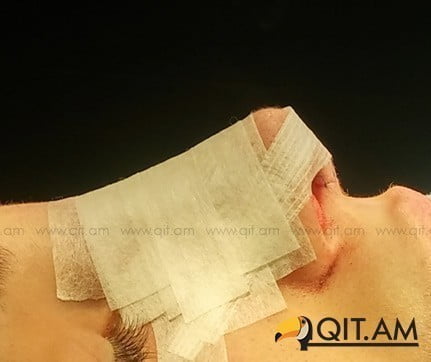
Hypoallergenic paper patches

Hypoallergenic “breathing” patches by 3M are applied to the nasal skin (under the thermoplastic plaster).

They allow a very precise control of the fixation of the reconstructed elements of the nasal tip and middle section.

Instead of sponges and tampons, silicone splints with ducts

Many patients are very afraid to have their hemostatic sponges removed the morning after surgery (forget about tampons altogether). My patients don’t get to the dressing room until a week after surgery.

Immediately after surgery, the patient is already breathing through his nose. After my examination, the nurse removes the thin tubes from the nose (absolutely painless) and the venous catheter. That’s it.

Now you need to read the detailed instructions (a link is sent to all patients after they sign up for surgery) and follow them punctiliously.

Exactly one week later the patient comes for just one dressing, which takes 5-10 minutes. Immediately after the dressing, you can go anywhere and on anything you want.

Before the operation

  • The day before surgery from 8 pm eat nothing, from 12 pm drink nothing.
  • You should not eat or drink anything in the morning before the operation.
  • Do not wear any makeup before the surgery.
  • Remove everything from the big toe nail on your left hand.
  • Leave all jewelry at home.
  • Do not take any medications (including vitamins, immunostimulants, pills, etc.) a week before surgery!
  • Do not smoke 3 days before and within a month after the surgery — smoking slows the healing process and keeps swelling.
  • Alcohol is prohibited a week before surgery and for 1 month after!
  • Prepare clothes that you will not have to take off or put on «over the head» to avoid accidentally damaging the operated nose.

Postoperative period

After the operation: ice will be put on the eyelid area and replaced by a new one every 20-30 minutes to minimize bruising and swelling (5 times in total). The patient stays in the clinic for one day and is discharged the next day.

Nutrition and post-surgery regimen

  • It is allowed to drink not earlier than one hour after the operation, at first little by little and in small sips.
  • Three to four hours after surgery you can have light, soft and not hot food.
  • Hot liquids and foods should be avoided for the first week after surgery.
  • You should drink plenty of fluids. The amount of fluids you drink should be at least 2 liters per day.
  • You should remain in bed only for the first day after surgery. The next day it is canceled.
  • Sleep only lying on your back for 2 weeks.
  • An elevated position of the head will minimize swelling of the face.

Detailed instructions on what you can and cannot do after surgery. A must-read after discharge!

For the next two weeks, imagine yourself as an English queen: do all movements slowly, calmly with dignity, with your nose looking up. Minimize physical exertion and sudden movements.

Phone, book, or tablet — all with your nose looking up. When you put your nose down, gravity causes swelling to build up in the tissues of your nose. Try to keep your nose up all the times if it is possible.

No more bed rest as of today. For the next two weeks you will sleep only on your back with your head elevated.

Your body must not be dehydrated in order to restore proper mucous membrane function. At least 2 liters of regular water should be drunk every day. Carbonated juices and mineral water are prohibited for a month. To make it easier to determine the amount of water you drink, fill up a container of water with a capacity of 2 liters and put it in a prominent place.

You can eat anything you like and in large quantities — your body needs the strength and energy for a quick recovery. Note that the food should not be hot, as well as salty and sweet. Salty and sweet foods retain fluid in the body and do not allow the swelling that has already formed to go down quickly.

Over the next 1-2 weeks, your temperature will be elevated. Usually it will be higher in the evenings and a little lower in the mornings. This is a normal body response to trauma. You don’t need to do anything up to 38 degrees. If the temperature rises above 38 degrees, you drink any antipyretic (such as aspirin or paracetamol) and the temperature will drop.

There is usually no pain after surgery. However, if you have a very low pain threshold, there is no need to be suprehero and endure the pain. Cataphast (powder) — stir it in half a glass of warm water and drink it — it relieves pain for 4-6 hours. In a day you can take no more than 3 sachets.

Bandage under the nose, which you were renewed before discharge, after coming home, take it off. The next one to two weeks from the nose will leak mucus with blood. Do not be alarmed — this is normal. Sterile gauze tissues gently blot the nose so as not to damage the stitches.

At home, after discharge from the clinic, you use two pills — Augmentin and Fluconazole. This is an antibiotic and an antifungal.

  1. You take Augmentin (875 mg/125 mg) 1 tablet a day for 5 days.
  2. Fluconazole (150mg) you drink so you don’t have bowel problems. Tonight you take one capsule. Five days later, after the last antibiotic pill, take another capsule. No matter when you eat.

Starting tomorrow, two additional items are added to today’s medications: Peroxide cleansing and Lyoton gel.

  1. The peroxide cleanse is done once a day, in the morning. You take 3% hydrogen peroxide and an ear wand. You dip the stick into a jar of peroxide for half a minute (so that the absorbent cotton had time to soak in the peroxide) and very quickly (just 2-3 seconds) cleanse the stitches from dried blood. Do not treat the skin with peroxide for a long time — you will get a chemical burn. If after cleaning with peroxide you notice swelling and redness — do not use peroxide and chopsticks again. When you come back in a week for a dressing, we will clean everything ourselves.
  2. Lyoton 1000 gel (used only if you see bruises) works for 12 hours, so we use it in the morning at 10 and in the evening at 10. We apply a thin layer only on bruises. Careful not to get the gel in the eyes (otherwise for about a month you will have a vampire bloodshot view). Gel dries on the skin in the form of a shiny film with a yellowish cast. Before the next application of the gel rinse the film with a cotton pad soaked in warm water and squeezed, and then be sure to dry the skin. The gel is most effective on clean and dry skin. Use the gel until the bruises completely disappear.

Exactly one week after surgery, at 9:30 come to the dressing. It takes 5-10 minutes, after which you can go anywhere and on anything you want.

After bandaging a week after surgery:

  • Do not touch your nose for 24 hours to avoid introducing an infection through the newly removed stitches.
  • You can touch your nose, bathe, and wash the day after the dressing.
  • Bathe quickly and without very hot water. You should not steam your nose in the next month after surgery, as most of the swelling subsides in the first month after surgery.
  • Inside the nose, on the septum, we purposely leave a few stitches that are absolutely safe and are not felt by the patient (except when the patient does not listen to the recommendations of his doctor and continues to pick his nose with the help of chopsticks, napkins or other improvised means). All stitches used inside the nose are resorbable. Time of resorption: 3-6 months. Observe these stitches, touch them, rub them, pull them out, cut them, etc. — FORBIDDEN!

If you properly care for your nose from the first days after surgery, the postoperative period, which lasts a year, will pass practically unnoticed.

The day after the dressing start rinsing the nose 2-4 times a day by the drug Aqvalor Aktiv-soft. It contains a solution of sea water. It can be used indefinitely without side effects and addiction.

Nose wash is done in an upright position (sitting or standing). The head should be slightly tilted forward. Make sure that during the rinse your head is not tilted back. Press on the nozzle and hold for a few seconds. Then aspirate out the remaining flushing fluid using the “Pinocchio method”.

“Pinocchio method”

Close the right nostril with the thumb from below with the right hand so that no air can pass through it. Do not press from the side, so as not to deform the tip of the nose, just from below. With the other nostril, slowly and weakly, blow your nose. Do the same on the left side — close the left nostril with the thumb of your left hand and blow it using the “Pinocchio method”.

Slowly and weakly — the main principles of the “Pinocchio method”. Strong and abrupt blowing, as some men do, clearing the nose, for 3-4 meters, is not necessary.

After properly clearing your nose, you should not have fresh traces of blood and even more nasal congestion. This means that you are putting too much effort. Next time, try a few times weaker.

The only proper way to clean your nose for the next 1 year after surgery is with Aqualor and the “Pinocchio method”. Forget all other methods!

Reserve medication

The last drug in the prescriptions is Vibrocil (nasal drops). You should use it only if you have a stuffy nose. If you are not stuffy, we keep the drug in reserve and use it only if you have a cold or a runny nose. We put it lying down (the package includes a dropper) in each nostril exactly 3 drops 3 times a day for only 1 week. The drug is strong and addictive. It should not be used for a long time!

Special instructions. Vibrocil should not be put on the septum. On the contrary, after putting it into the right nostril, turn your head to the right and raise it slightly so that it spreads over the right side of the nose. Put it in the left nostril — turn your head to the left and slightly upwards.

List of medicines to buy at the pharmacy

  • Augmentin, 875 mg/125 mg, 5 tablets
  • Fluconazole, 150mg, 2 capsules
  • Akvalor Active-soft
  • Vibrocil, nasal drops
  • Lyoton 1000

In addition, you will need:

  • Hydrogen peroxide 3%
  • Ear wands
  • Sterile gauze wipes, at least 3-4 packs

Hygiene and cosmetics

  • A quick shower with not very hot water is possible on the second day after surgery, but the bandage on the nose must remain dry.
  • You can wash your hair from day 3, with your head tilted back, like in a barbershop.
  • Cosmetics can be used 7 days after surgery.
  • Cosmetic procedures (peeling, photorejuvenation, etc.) can be performed at least 6 months after rhinoplasty.

Warnings and restrictions

  • Try to protect your nose from different traumas after rhinoplasty. Avoid excessive activity, strain and bending of the body, as this can cause swelling, especially in the first week after the surgery.
  • Sports and vigorous exercise can be resumed only after 2 months.
  • Exclude hot baths, baths, saunas, do not go to countries with a hot climate for 2 months.
  • Do not sunbathe or visit a tanning salon for 2 months.
  • Under no circumstances should you take alcohol for a month — it interferes with healing and causes very severe swelling.
  • Do not wear glasses for 6 months after rhinoplasty.
  • Women are not recommended to get pregnant for 6 months after rhinoplasty.

Important!

Remember that rhinoplasty is one of the most difficult plastic surgery procedures, therefore it is necessary to treat these rules and recommendations seriously before the surgery and in the postoperative period.

Do not self-medicate and do not listen to the advice of relatives, friends or just acquaintances. All actions should be coordinated with the doctor who operated on you!

If you have any questions, you can always contact my assistant. She knows the answers to almost 99% of questions, as they are most often repeated day in and day out. If you are creative and ask some interesting, unique question that the assistant can’t answer, she will easily contact me and I will answer your question. In any case, you will not be left without an answer 🙂

Please don’t text me on Instagram, there are a lot of messages — I might miss it.

Most honest feedback!

The most authentic testimonials are videos taken after bandaging, when patients see their new nose for the first time. Often patients send me photos and videos months and years after surgery – you can find them on my social media accounts, too.

Prices for rhinoplasty in Moscow, Sochi or Yerevan

Price in AMD

From

800 000

Price in RUB

From

300 000

Price in RUB

From

300 000

The cost in dollars and euros is given on the basis of the current exchange rates of those currencies to the Armenian dram and is approximate.

Choosing the date of surgery may be possible only after going through all these steps:

  • Consultation (virtual or face-to-face),
  • CT scan of the nose and sinuses with the conclusion of a specialist,
  • Free computer modeling of the nose

Prepayment of a deposit

To make an appointment for a specific day of the surgery schedule, a fixed prepayment is required. You may reschedule your surgery only once and at least two weeks before the surgery. If you reschedule your surgery more than once (or less than 2 weeks in advance), the prepayment turns into a fine and stays in the clinic, and you will need to pay again to book another surgery date.

Final payment

Payment is made only in cash and only in Armenian drams in two stages:

  • On the day of the laboratory tests — AMD 59 000 (included in the price of the surgery);
  • On the day of surgery — full cost of the surgery minus AMD 59 000 and prepayment amount.

There is an ATM in the lobby of the clinic, where you can withdraw cash from a Visa and MasterCard bank card issued in any country.

Types of surgeries

  • If this is the first time you have had surgery on your nose, it is called primary surgery.
  • If you have had surgery on your nose or septum in the past, it is called secondary surgery (even if you have had several). The cost of secondary surgery is higher and depends on the complexity and extent of the surgery.

The exact cost of surgery is determined only after reviewing the CT scan files, the conclusion of the CT specialist, and photographs for modeling. Note that you can send all of this data through a “virtual consultant“.

The medications that need to be taken after discharge (at home) are not included in the cost of surgery!

What is included in the cost of the surgery?

  • Preoperative consultation with an experienced anesthesiologist.
  • Surgery under high-quality general anesthesia — without nausea, pain, or a difficult recovery from anesthesia.
  • 24 hours in the clinic: a comfortable room, free Wi-Fi and TV, dietary meals.
  • Dressing, check-up, and face-to-face consultation 7 days after the surgery.
  • My personal supervision for 12 months — without assistants and without transferring your follow-up to other doctors. I personally monitor every stage of your recovery.
  • Monthly review of your photo updates and appropriate recommendations.
  • Checkups 6 months and 1 year after surgery via videocall — from anywhere in the world, wherever you may be.

For me, the result of the surgery is just as important as your peace of mind and confidence at every stage.

Contacts

info@nose.am

Don’t forget to include your name, age, country and city when emailing.

+7 967 055 00 22

On weekdays from 10:00 am till 6:00 pm (GMT+3) – WhatsApp.

Social Networks